Returning Good Fire to the Land

A fire crew member monitors the Nov 2025 cultural prescribed burn on Wisconsin Point.

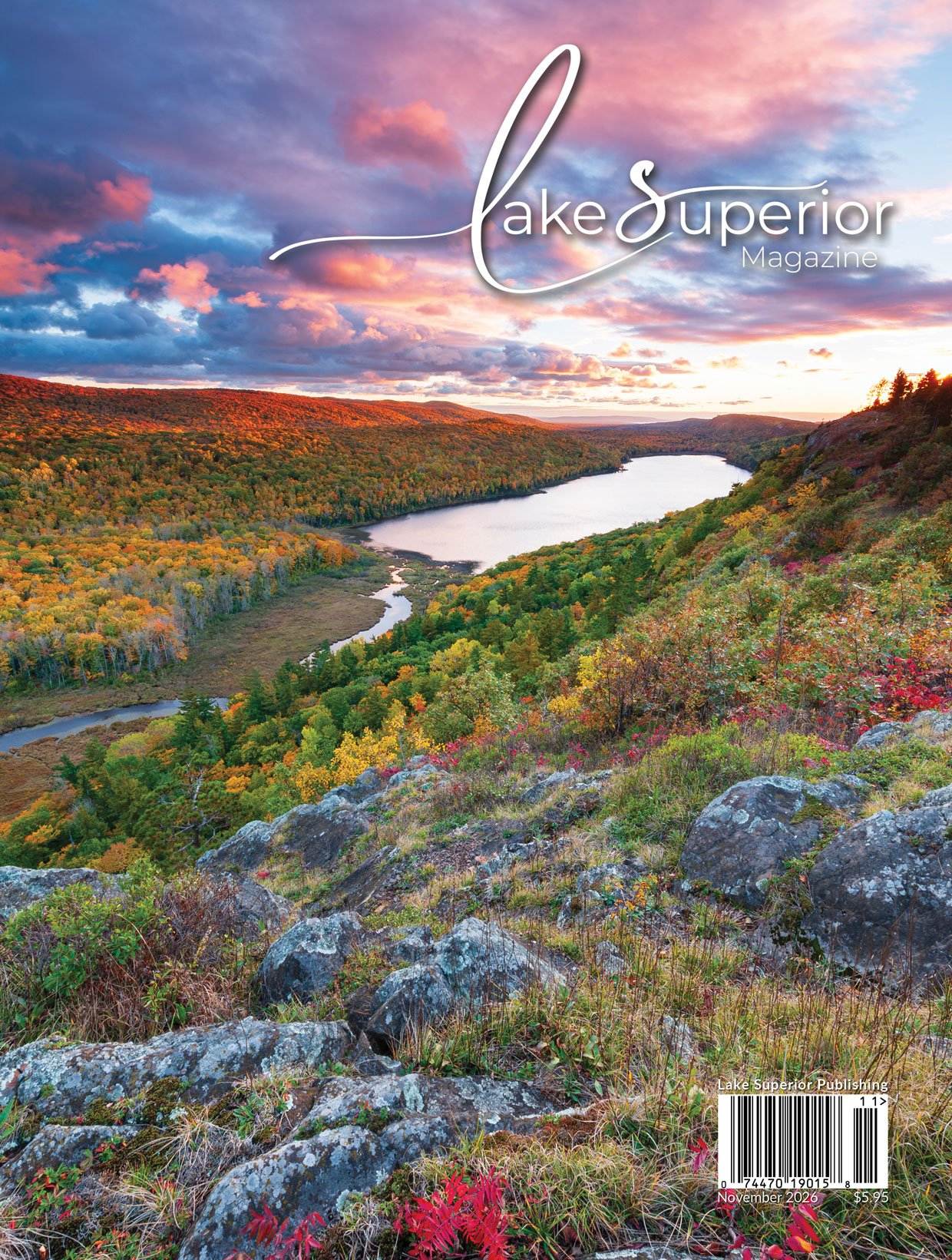
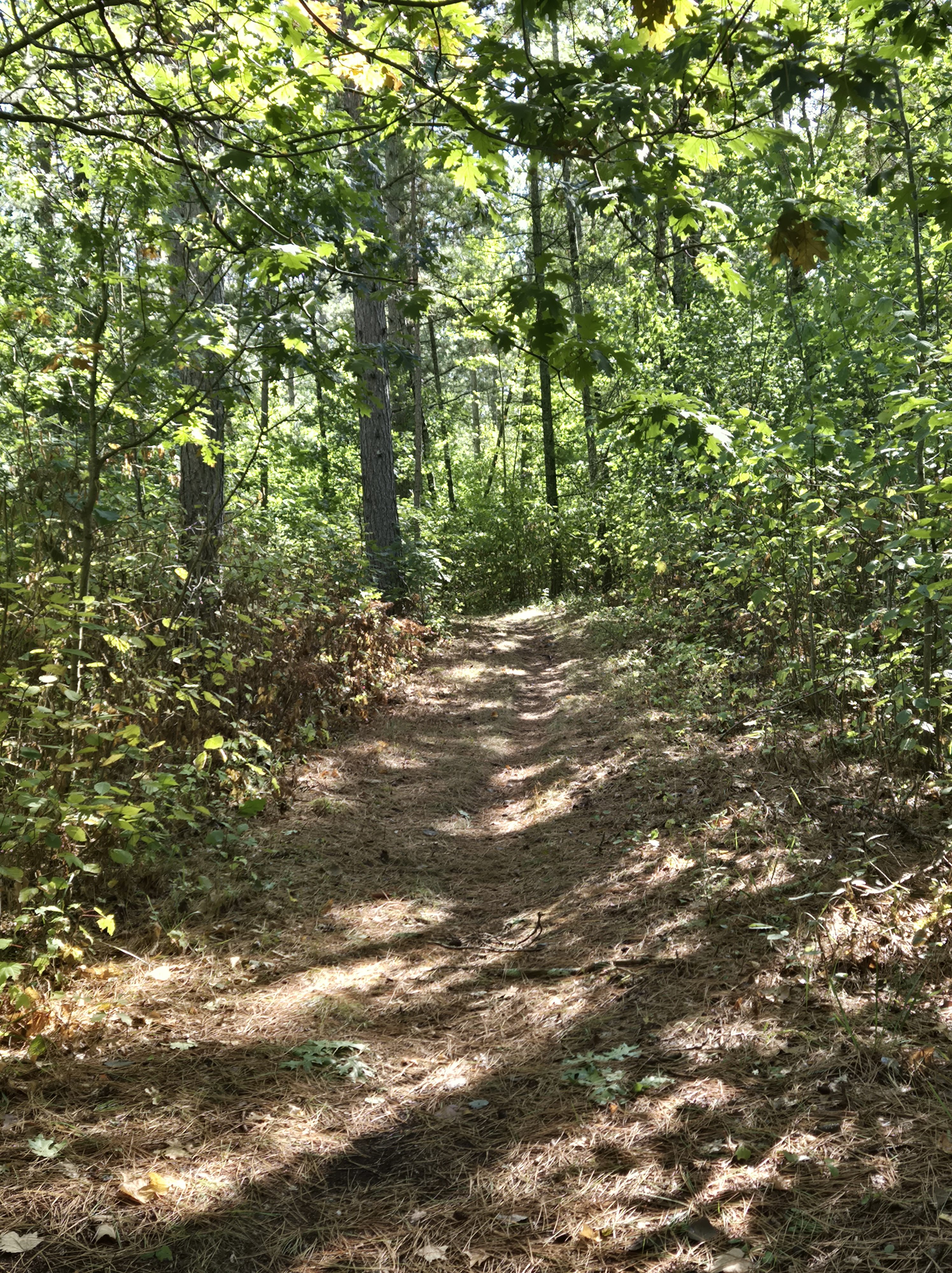
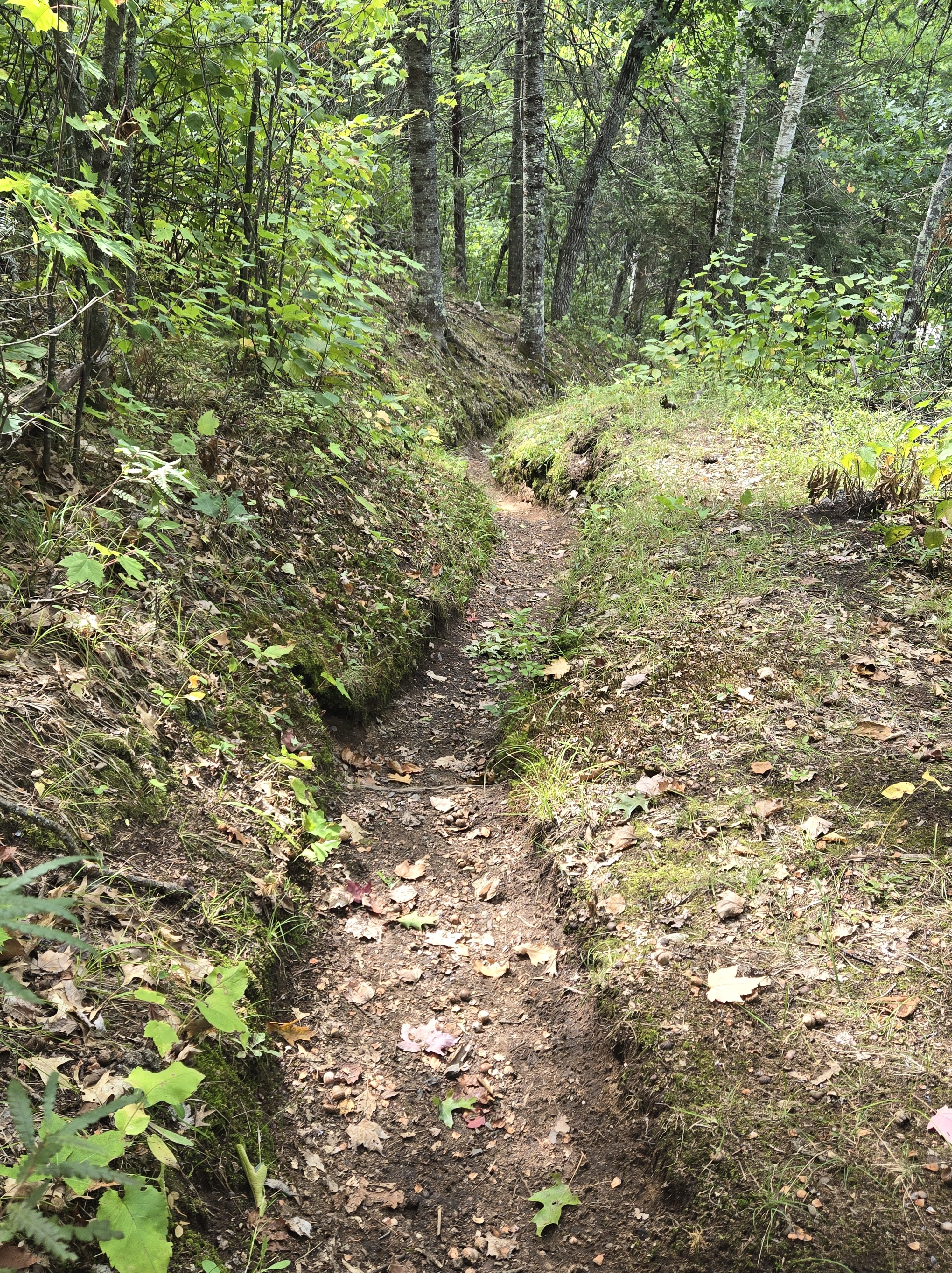
A story of mine appeared in the April/May 2026 issue of Lake Superior Magazine. It covers a project I’m involved with that’s designed to bring back the Ojibwe tradition of prescribed burning on Wisconsin Point, a long sandspit on Lake Superior. The Ojibwe once lived in the red and white pine woods there until they were moved to reservations in the mid-1800s. Before then, they would set small, controlled fires to keep brush down, encourage plants like blueberries, and help red pines sprout. They call these fires “Ishkode,” or good fire.

I first heard about this practice a few years ago while I was still working as a science communicator for Wisconsin Sea Grant. The organization funded research that studied tree rings and fire scars on Wisconsin Point and its neighboring sandspit, Minnesota Point. I reported on the project by writing articles, news releases, and producing a podcast.

Last year, a few months before I retired, I heard that the Ishkode group was looking for help with communications. I immediately volunteered, and you can read about the results in my article. I’m happy to say that last fall, Ishkode successfully returned to the point for the first time in 159 years. And nobody got hurt! More patchwork burns are planned in the future.

As a result, I was approached by a different group that’s working to bring Ojibwe fire practices back to Minnesota Point. Although the two points are separated by a short span of water, they are different politically and socially. Not only are they in different states, but Wisconsin Point is uninhabited, whereas more than 100 homes line Minnesota Point, many of which are beachfront mansions. Wisconsin Point is owned by the City of Superior and the Fond du Lac Tribe. Minnesota Point is a mix of private, city, and state Department of Natural Resources property. There’s even an airport near the end of it.

Both fire projects are led by Fond du Lac tribal members. Except for those folks and me, most of the rest of the people involved in each project are different. Because of its complexity, the Minnesota Point group is much larger (about 40 people). I began helping them this winter and finally have everyone’s names and affiliations down.

Our goal is to conduct a prescribed burn on Minnesota Point this spring. It will be the first time in 180 years that a burn has occurred there. Things are falling into place nicely, and so far, public reception has been good.

I’m happy to have a hand in returning a missing piece of the ecosystem to the shores of Lake Superior. As one of our group members said, the burns will help the choked forests breathe again. These points aren’t the only places where the Ojibwe used to burn. Evidence can be found all around the lake.

For more information, check out my article in the print version of the magazine, or check the Wisconsin Point Ishkode webpage.

Smoke from the prescribed fire drifts through the pines on Wisconsin Point. The fire will help the beleaguered red pine population regenerate.

Pancakes, Anyone?

Each of these ice pancakes is about three feet across.

Winter is loosening its cold, hard grip on Lake Superior. One sure sign of spring is pancake ice. Sorry for the misleading title—these pancakes are not edible. But I suppose they are, if you like chewing ice.

Pancake ice on Lake Superior with Duluth’s iconic aerial lift bridge in the distance.

Pancake ice can form in early winter, too, but in spring it occurs when the ice begins to melt and waves or wind blow the ice chunks around. The wind whistles over the lake, carrying the crisp scent of melting ice and the freshness of open water. The ice chunks slap against each other like bumper cars at a fairground. The pancakes form circles with ridges along the sides, their surfaces glistening under the pale, watery sunlight. Pancake ice can also form on open water when it gets cold and ice crystals freeze and then break up and are blown around. This phenomenon can also occur on rivers and in the ocean.

Sometimes the rotating, colliding ice makes sounds, but I didn’t hear any during Russ’s and my walk along Lake Superior’s shore the other day when I took these photos. Instead, there was only the whisper of our boots on the asphalt trail, and the restless sigh of the breeze—sharp enough to sting cheeks and make eyes water.

This year, Lake Superior experienced 27% ice cover. The last time the lake came close to being completely frozen was 2019. The long-term average is 61.5% ice cover, and I assume that average is going down as the climate changes.

During our walk, other signs of warming weather in Duluth were the white legs of everyone who wore shorts for the first time since October. Mind you, it was only 44 degrees F with a cold northeast breeze, but people are so desperate for spring that shorts seemed like a good idea! I even saw a bare-chested man wearing shorts, his skin turning pink in the biting wind. I was not so inclined. In fact, I had to raise the hood on my jacket and cinch it tightly around my face, feeling the rough fabric press against my cheeks as I tried to shield myself from the breeze once we turned around and headed back to our car.

But the pancakes and white legs are here on Lake Superior. Spring can’t be far behind.

Ever Feel “Invisible?”

A friend of mine couldn’t believe it when a hotel clerk, with whom she thought she had a memorable encounter a few hours before, didn’t remember my friend when she saw her again. I shared a theory about this with my friend. I developed the theory from reading Going Gray by Anne Kreamer and I turned it into a speculative fiction short story titled “Invisible.” But you’ll have to read my story to find out what it is! No freebies here. Although the story itself is free.

“Invisible” was recently published in Creative Wisconsin magazine, which is published by the Wisconsin Writers Association. I joined them a few years ago when I had a Wisconsin-based publisher and job, even though I don’t live in Wisconsin. I’ve taken a few classes from them, and I’ve attended two of their writing conferences. They’re a great group!

You can find my story on page 18 in the March 2026 issue here.

On the Dunes

Ice off of Minnesota Point in Duluth. Each of those slabs in the foreground is the size of a person lying down. The ridge behind it is about fifteen feet tall. (I popped a squat to obtain this viewpoint.)

On the Dunes
By Sara Teasdale

If there is any life when death is over,
   These tawny beaches will know much of me,
I shall come back, as constant and changeful
   As the unchanging, many-colored sea.

If life was small, if it has made me scornful,
   Forgive me; I shall straighten like a flame
In the great calm of death, and if you want me
   Stand on the sea-ward dunes and call my name.

I recently stumbled upon this poem while leafing through a stack of old, yellowed pages—poems I had once painstakingly typed on a clattering Underwood typewriter during my high school days. Back then, before the convenience of photocopiers, I’d wander the library aisles, selecting poetry books that called to me. I would borrow them, then sit for hours, as I copied lines that stirred my soul. I imagined that I’d refer to these pages often, though, they have gathered more dust than fingerprints. Now, rereading them, I’m flooded with nostalgia, peering through a window into what once moved my younger heart.

Poet Sara Teasdale lived from 1884 to 1933. She is characterized as “neurotically intense,” and it’s said she moved in the company of poets like a “recessive flame.” She had a tempestuous affair with poet Vachel Lindsay. Later, she married a businessman but then divorced him, retired to seclusion, and in the end, died from an overdose of sleeping pills.

Her poem struck me because I’d just meandered to the beach in Duluth with Russ. If you’re not familiar, we are blessed with a long sandbar at the mouth of Lake Superior. Of course, the beach was snow-covered. The lake’s power was on full display in the form of huge piles of ice piled high about ten yards offshore. I had my phone with me and was tempted to brave the ice to take some photos, but I hesitated, not knowing if the ice was safe. I am well acquainted with the vagaries and dangers of this Great Lake.

However, two other people walked out to an ice ridge in front of me. They survived, so I figured I’d be okay if I followed in their footsteps. I ventured out, and these photos are the result. I was glad I braved the ice to share them with you! Russ wisely remained onshore. I’m also glad that the little adventure didn’t hasten my death so that Russ would need to stand on the dunes and call my name when he wants me. 😊

Winter Fog

My fair city of Duluth, Minnesota, has donned a silvery veil these past few days—a haunting fog that drapes the world in mystery. I don’t know about you, but I adore the hush and wonder of fog; here, I am home. Each morning, the temperatures bite, and the fog cloaks every branch and rooftop in crystalline frost and shimmering ice.

Restless for movement, I ventured out, camera in hand, into my transformed neighborhood. The roads glittered treacherously beneath a thin armor of ice, so I strapped on my boot’s iron claws. Each step crunched with possibility. The world was both dazzling and dangerous.

As the sun coaxed the temperature upward, ice shards crashed from trembling trees and sagging power lines. Splintered branches, felled by the weight of winter, littered yards and tangled themselves in lines above. Once, a cascade of ice from a power line narrowly missed me, which sent my heart pounding. But I pressed on, determined to witness the spectacle to its end.

Who knew a simple walk around the neighborhood could be so exciting?

Winter biking in Duluth.

Unrestrained: An Interview with Anthony Bukoski

Image of Tony Bukoski by Diane Merchant

I spent a memorable afternoon with Superior, Wisconsin, short story writer Anthony Bukoski last summer. We discussed his book, The Thief of Words, which was published in 2025 by the University of Wisconsin Press. Tony’s stories feature white collar-blue collar tensions that belie his time spent in both worlds. The Thief of Words focuses on such themes as loneliness, longing, dislocation, assimilation, and generational conflict.

Thanks to the kickboxing workouts I’ve been doing for the past four years, our interview ends in a surprising way! You can read about it in Hypertext, a digital literary magazine published in Chicago.

I thank Tony for this opportunity and Hypertext for publishing it. If you’re looking for something to read, please check out Tony’s book.

Sweet on Sourdough

A bubbly sourdough starter is a happy starter.

Yet another project to fill my time in retirement was to explore the art of gluten-free sourdough baking. Some people think that regular sourdough bread is gluten-free, but it’s not. You need to have a special sourdough starter that contains some kind of gluten-free flour, like brown rice.

A few months before I retired, I happened upon just such a starter at a local mercantile. It was made by the Cultures for Health company (but you can get it via mail, also). Not long after my retirement last spring, I began to experiment with it.

Buckwheat sourdough blueberry pancakes. These are fluffier and milder than regular buckwheat pancakes. A win!

So far, I’ve made two kinds of gluten-free sourdough pancakes (one was buckwheat blueberry, the other whole grain), bread, and a chocolate-coffee cake with chocolate-coffee frosting.

Of those, the pancakes and the cake were delectable winners! I’m still perfecting the bread recipe. I have a hard time getting the dough to rise enough before baking. I suspect the cold climate I live in is one reason for this. Sourdough bacteria like a nice, warm environment. I’ve begun adding some regular yeast to the bread dough, but I think I need to add even more. We’re not huge bread eaters in our household, so this could be a long process.

Whole grain gluten-free sourdough pancakes. Another win!

I’ve also learned how to refrigerate the starter and how to revive it from a frozen state. I freeze it when we’re gone on long trips, otherwise it wouldn’t survive not being fed with new brown rice flour and spring water every 3-4 days.

That’s another thing about sourdough starter, you can’t just use water from the tap. It has chlorine in it, so you need to use spring water, which can be found in most grocery stores. Another secret is to heat the water before adding it to the starter. I’ve had good luck heating it to 80-90 degrees F in the microwave, which makes the starter activate more quickly. You can tell your starter is activated when it gets a lot of bubbles and it almost doubles in size.

Gluten-free sourdough bread. Still needs work. It’s like eating a brick.

I got the pancake and bread recipes from the Cultures for Health website. The cake recipe came from the gluten-free cookbook, Cannelle et Vanille Bakes Simple by Aran Goyoaga that I bought at The Lost Kitchen store in Maine.

Learning a new cooking technique has been fun! Are you stretching your culinary skills in some way?

The chocolate-coffee sourdough cake, with sprinkles. Another winner!

Review of “High Fire Danger” and a new Facebook Page

Image by Hunter Zhuikov

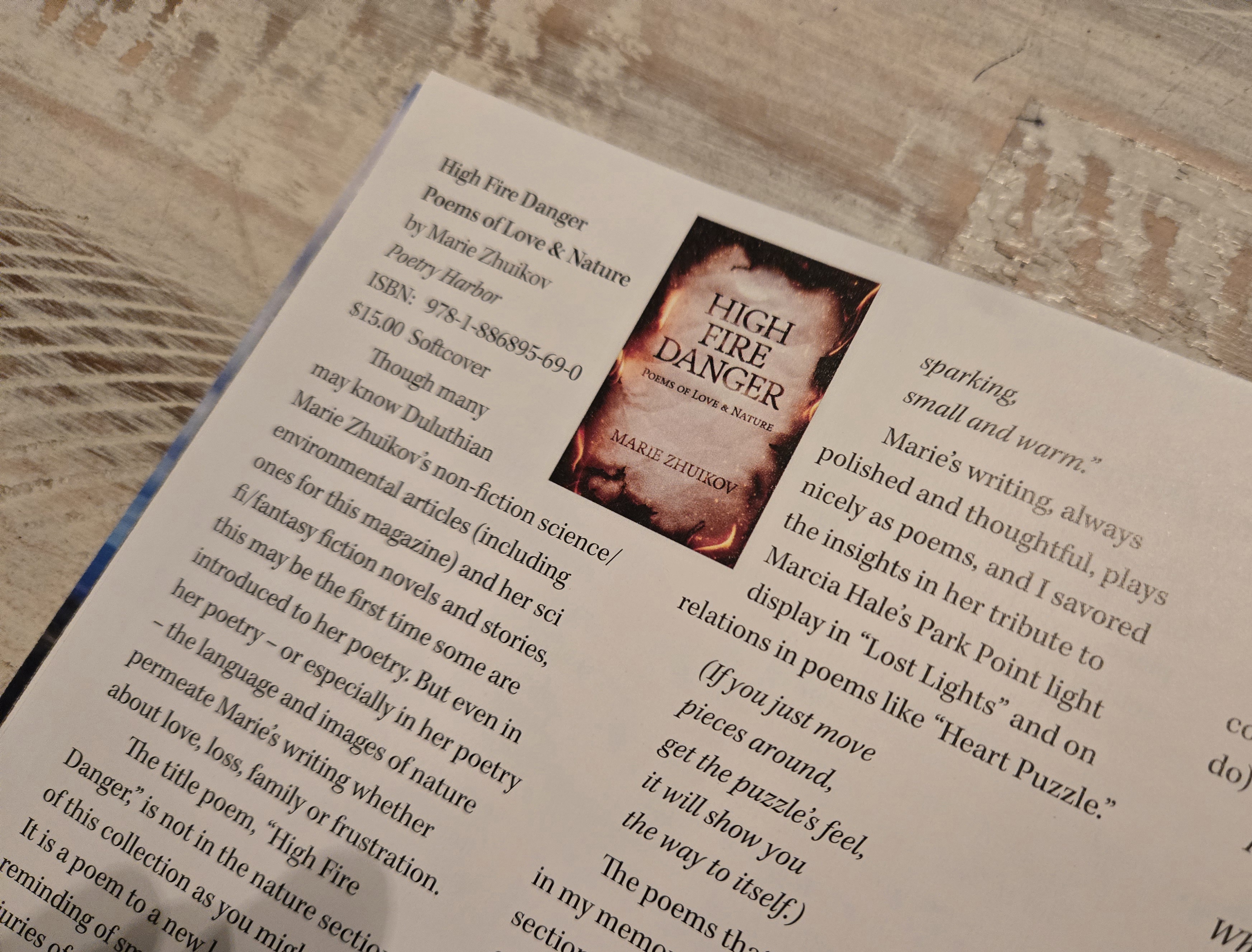
I have two writing things to impart. The first is a review of my new poetry book, High Fire Danger by Rebecca Swanson, a fellow member of the Wisconsin Writers Association. She kindly says they are “some of the finest nature poems” you will ever read, and that every page is filled with “warmth, wit, vigor, and beautifully crafted poetry.” My book costs $15 and is available from Amazon.

The other is my new Facebook author/photography page. I used to have pages for each of my novels. Even though my first novel’s page (Eye of the Wolf) had 2,500 followers, it was so out of date that, after notifying my followers to switch to my new page, I held my breath and sacrificed it. If you follow my new page, you’ll get notifications of my writing events, see my favorite new photos, and get links to my latest blog posts. My page is slowly growing with 77 followers; I could use a few more.

Image by Sharon Moen

I also have an Instagram account, but am less active there. My profile photo shows my arms hugging a tree. Because, you know, that’s what I do.

Thank you for your support and readership!

Illuminating Luminaries

Inside our mailbox was an invitation on a slim, hand-cut piece of paper: Luminary Walk. It contained a date, time, and location, which was a short woodland trail in our neighborhood. On the bottom were the words: light, warmth, hope, welcome, neighbors.

How could we resist? We waited until dark and ventured out into the calm night. An almost-full moon watched our progress, casting shadows on the snow. That was all the light we needed. We didn’t even consider bringing a flashlight.

When we arrived at the trailhead, an alternating path of ice luminaries glowed softly down the length of the trail. As we walked, we noticed some were lit with candles and some with LED lights. Most glimmered with soft, natural light. Others swirled with a riot of color. There were round and rectangular clear ice luminaries, colored square ones, and huge raindrop-shaped ones.

We weren’t sure who was responsible for creating this magic, but it must have been several families, given all the work involved. Halfway down the trail, we met other neighbors enjoying the scene with their dogs. We greeted each other and marveled over the view.

One display looked like a snowy rose: a raindrop luminary in the middle, surrounded with icy petals and lit with a string of white lights. Orange slices, cranberries, and pine needles were embedded in another. Most lay on the snow. One was perched on a log.

We left the trail and walked back home with these words echoing in our heads: light, warmth, hope, welcome, neighbors.

She Sings Sea Shanties Down by the Shore

The Duluth, Minnesota, All Hands sea shanty group. Image courtesy of the Duluth Folk School.

At the end of 2025, a Duluthian named Paul Webster revived a sea shanty singing group in town. The group originally began during COVID when a bunch of friends (around 10) would gather outside in parking lots and sing together (to allow for social distancing, etc.) As conditions improved, the group disbanded, but Paul wanted to breathe life back into it.

In a story in Northern Wilds magazine, Paul said, “We realized there are not enough places around Duluth where adults can make music together in a casual, informal way.” He and the other founders of the group partnered with the Duluth Folk School to hold singing sessions every first and third Sunday afternoon (3 – 4 p.m.), where people can explore the stories behind the music as well as sing.

Before the first session, the local newspaper did a story about the gathering. That, and perhaps the maritime history of our area, led to a turnout of over one hundred people! I was one of those people. Besides, it just sounded like a stupidly fun thing to do on a Sunday afternoon, I am familiar with many shanties from my time on the Audubon Expedition Institute. While we were traveling around North America on a yellow school bus learning about environmental issues, we often sang shanties to pass the time. I missed that and welcomed this opportunity to revisit my past. It’s also a nod to my Maine privateer ancestors.

Paul seemed a bit overwhelmed by the large turnout, which has not diminished as the sessions continued. Jumping from 10 to 100 people is a big leap! I think it indicates he found the right audience through the folk school and is meeting a pent-up demand for socialization.

At the first meeting, Paul asked for ideas for a group name. We ended up voting in “All Hands,” which I love because it’s inclusive and is the same name we used to call our staff meetings at Wisconsin Sea Grant, where I used to work.

As the name implies, all are welcome to the sessions. There’s no cost, although a donation basket is passed during the sessions. Singing is optional, but I don’t know how a person could resist joining these catchy working and drinking songs. The school’s café is open during the sessions, so people can have refreshments while they sing. I recommend their hard cider.

Sea shanties (American) or chanties (British) are a genre of traditional folk songs that aided in the timing of various tasks on sea-faring vessels. Many reference a task at hand or life at sea, including missing loved ones or dangers of the job. Some of my favorites are “Barrett’s Privateers,” “Leave Her Johnny,” and “Rolling Down to Old Maui.” People take turns leading the shanties, but Paul leads most. People can suggest their favorite shanties, as well. I’m hoping we get nimble enough as a group to sing “Hoist up the Thing,” someday (a comical modern shanty about a know-nothing captain).

I haven’t missed a session since they began. Ironically, I’m missing one today because Russ and I are going to a concert. But I’ll be at the next session, fate willing. I feel good after singing and it’s something fun to do during the bleak midwinter. The songs offer a good perspective on hardships, both historical and present.

Reflecting on my experience with this group, I am struck by how music can transform a simple gathering into a source of strength and belonging. Singing together, whether with friends or strangers, reminds me that even in challenging times, we can find joy, solidarity, and shared purpose. As our voices blend in harmony, the tradition of sea shanties continues to connect us not just to the past, but to each other.